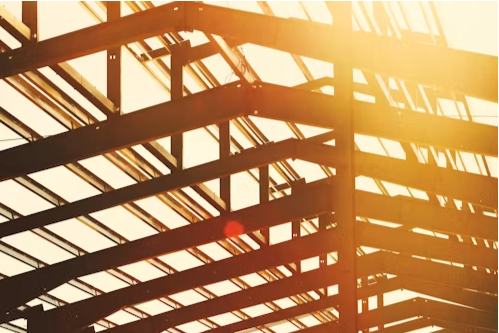

Metal buildings have become a popular choice for commercial, agricultural, industrial, and storage purposes because of their durability, flexibility, and long-term value. However, selecting the right metal building requires careful planning. Decisions about design, materials, purpose, and construction quality can influence the building’s performance for many years.
Define The Purpose Of The Building
The first step in making the right decision is understanding what the metal building will be used for. A structure designed for equipment storage will have different requirements compared with a warehouse, workshop, office space, or agricultural facility.
Consider the activities that will take place inside the building, the type of equipment stored, the number of occupants, and any special environmental requirements. A clear purpose helps determine the appropriate size, layout, insulation needs, and structural design.
Choose The Right Building Size And Layout
Selecting the correct dimensions is essential for creating a functional metal building. A structure that is too small may limit future use, while one that is unnecessarily large may increase costs.
Think about current needs as well as future expansion. A well-planned layout should provide enough space for movement, storage, access points, and any internal features required for daily operations.
Select High-Quality Materials
The quality of materials used in a metal building directly affects its strength and lifespan. Strong steel components, protective coatings, and suitable finishes help the structure withstand weather conditions and regular use.
It is important to consider factors such as corrosion resistance, local climate, and expected maintenance requirements. Choosing durable materials from the beginning can reduce repair costs and extend the building’s service life.
Consider Insulation of Metal Buildings
Temperature control is an important factor in many metal buildings. Without proper insulation, buildings can become too hot or too cold depending on outside conditions.
Insulated walls, roofing systems, and energy-efficient designs help maintain a more comfortable internal environment. This is particularly important for buildings used as workplaces, storage facilities, or areas where temperature-sensitive materials are kept.
Evaluate Site Conditions
The location of a metal building can influence its design and construction requirements. Soil conditions, drainage, weather exposure, and available space should all be considered before installation.
A proper site assessment helps ensure the foundation and structure are suitable for the environment. Ignoring site conditions can lead to issues such as water problems, uneven settling, or reduced structural performance.
Work With Experienced Professionals
A metal building project requires careful design, engineering, and installation. Working with experienced professionals helps ensure the structure meets safety standards and performs as expected.
A reliable provider should understand building regulations, recommend suitable solutions, and guide you through important decisions. Their expertise can help avoid costly mistakes during planning and construction.
Think About Long-Term Maintenance
A good metal building should be easy to maintain and capable of providing reliable performance over time. Consider how simple it will be to inspect, clean, repair, or upgrade different parts of the structure.
Choosing designs and materials that require less maintenance can save time and money throughout the building’s lifespan.
Balance Cost With Value
Price is an important consideration, but the cheapest option is not always the most economical choice. Lower-quality materials or poor design decisions may lead to higher costs in the future.
Focus on overall value by considering durability, energy efficiency, maintenance needs, and expected lifespan. A well-designed metal building can provide strong returns through years of dependable use.
Making the right decisions for a metal building involves looking beyond the initial construction stage. By planning carefully, choosing quality materials, and considering future needs, property owners can create a structure that is strong, efficient, and suitable for long-term use.